How to Minimize Disruption During Roof Repairs
@donovantkie462
October 8, 2026 · 17 min read

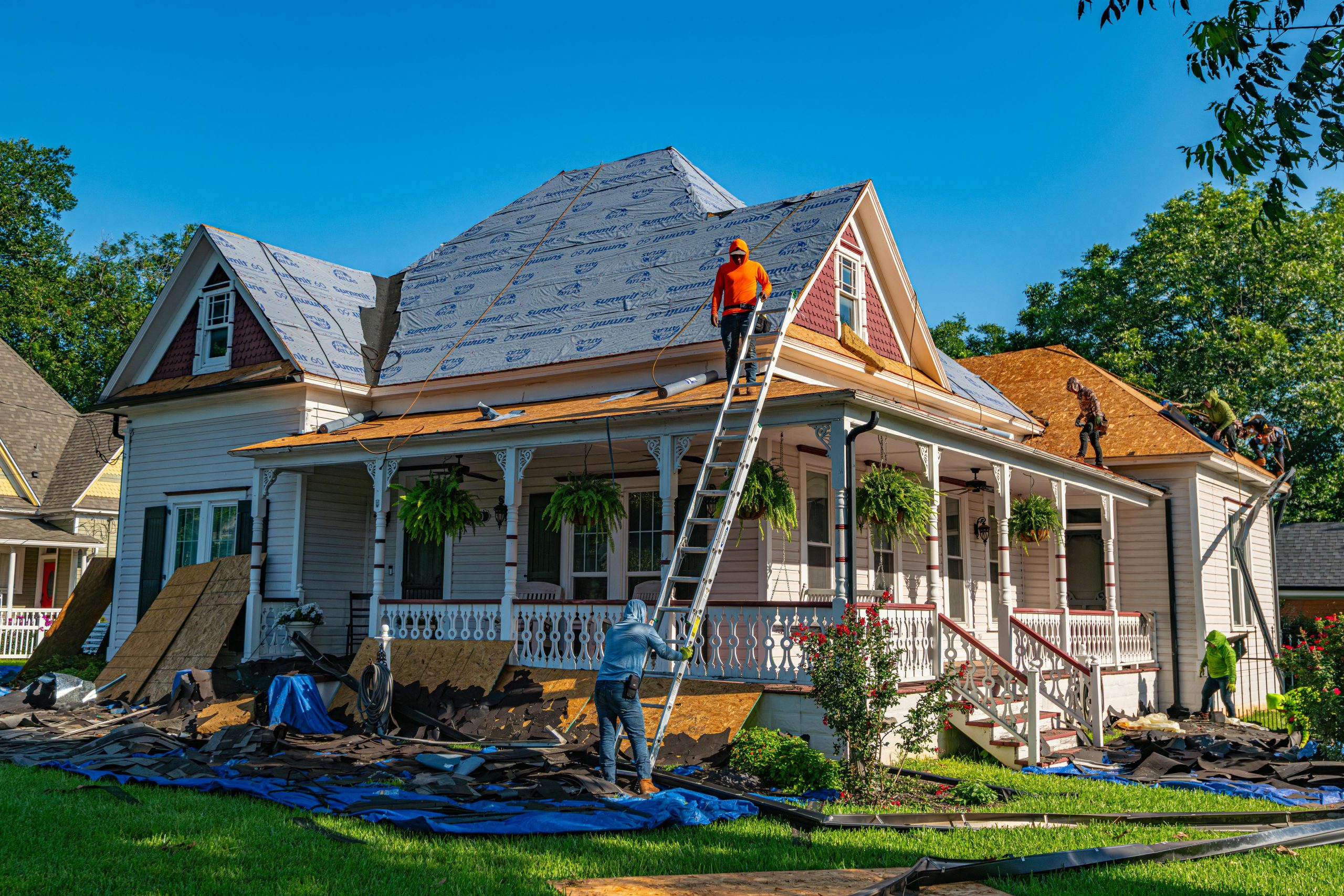
Roof repairs have a way of touching every part of daily life. Even a relatively contained job can alter your morning routine, limit access to parts of the house, create noise at awkward hours, and stir up understandable anxiety about weather, safety, and cost. Most homeowners do not dread the repair itself as much as the disruption surrounding it.
That disruption can be reduced, often dramatically, when the work is planned well. After years of seeing roof repairs unfold on occupied homes, rental properties, and commercial buildings, I have noticed a consistent pattern. The projects that feel chaotic are usually not the ones with the worst damage. They are the ones where expectations were vague, staging was rushed, and small logistical details were ignored until they became daily irritants.
A roof repair does not have to put your whole household on hold. With the right contractor, a realistic timeline, and a little preparation inside and outside the property, the work can move forward with far less friction than many people expect.
Start by understanding the real scope of the repair
The first step in minimizing disruption is knowing what kind of roof repair you are actually dealing with. Homeowners often hear "repair" and picture a quick patch that takes a few hours. Sometimes that is accurate. A handful of lifted shingles, a flashing issue around a vent, or a minor leak source can be handled with limited impact. In other cases, the repair label hides a larger problem, such as wet decking, repeated chimney flashing failure, or storm damage spread across multiple elevations.
The difference matters because the nature of the work affects almost everything else, including noise level, crew size, dumpster placement, material deliveries, parking, access to the driveway, and how long parts of the roof will be exposed during the day.
A targeted repair on one slope may involve two or three workers and half a day of noise. A more involved repair around valleys or skylights can stretch over several days and create periodic vibration inside the home. If a contractor discovers rotted sheathing after shingles come off, what looked like a one-day job can turn into two or three. That does not mean the contractor is disorganized. It means roofing is one of the most condition-dependent trades on a house.
For that reason, ask for a description of the repair in plain language before the job starts. You want to know where the crew will work, what they expect to remove, whether they anticipate replacing any substrate, and what conditions could change the schedule. A good contractor can usually explain the likely path of the job without pretending that every hidden condition is already known.
Timing matters more than most people realize
If you want to reduce disruption, schedule matters almost as much as workmanship. Roofers work within weather windows, and those windows shape the rhythm of the day. In hot months, crews often start early. In colder seasons, they may wait for surfaces to dry or soften enough for materials to handle properly. If your household includes remote workers, young children, night-shift sleepers, pets sensitive to noise, or tenants with fixed routines, timing should be discussed before the contract is signed, not the night before materials arrive.
There is also a difference between the best date for the contractor and the best date for your household. The contractor may have an opening next Tuesday. You may have a major work presentation, a child home sick, and two cars that need to leave the driveway by 8 a.m. These details sound minor until the crew is on the roof and someone is moving vehicles in pajamas while the material truck backs in.
When clients ask me what timing works best, I usually suggest they think in terms of least-complicated days rather than fastest-available days. A repair scheduled for a quieter weekday, when you can be out for part of the day or work from another location, often feels much easier than one squeezed into a packed family schedule.
If weather is unstable, build in emotional flexibility. Roofing schedules shift. A responsible contractor will delay for rain, high wind, frost, or saturated surfaces rather than force progress under bad conditions. That delay is inconvenient, but much less disruptive than a failed repair or interior water intrusion caused by rushing.
Choose a contractor who manages the experience, not just the roof
Many people evaluate contractors almost entirely on price and warranty language. Both matter, but for occupied homes, communication skills matter nearly as much. The smoothest roof repairs are often done by companies that are not merely technically competent, but operationally disciplined.
You want a contractor who confirms start dates, explains staging, updates you when weather shifts the plan, and tells you who to contact if something unexpected happens during the day. That may sound basic, but it separates a manageable repair from one that dominates your week.
One of the clearest signs of a well-run roofing company is how they handle pre-job communication. If the office cannot confirm simple questions before the work begins, it is unlikely the field experience will be more organized. By contrast, a contractor who sends a concise preparation email, notes where materials will be placed, and gives you a realistic arrival window has probably learned how to prevent unnecessary stress.
Ask direct questions. Will there be a dumpster, dump trailer, or just truck haul-away? Where will nails and debris be collected? Will the crew need access to electricity or water? Should gates be unlocked? Do satellite dishes, holiday lights, patio furniture, or potted plants need to be moved? These practical points often matter more to your daily comfort than the finer details of sealant chemistry.
Protect the inside of the house before work begins
Even when the work is entirely on the exterior, roof repairs can affect the interior. Hammering, scraping, and foot traffic transfer vibration through framing. That vibration may not damage a well-built home, but it can shift lightly hung wall art, rattle shelving, and drop dust from attic spaces or older plaster cracks.
If there is an attic above the repair area, expect some debris to shake loose. Homes with older insulation, unfinished attic floors, or prior water staining are especially prone to this. I have seen homeowners surprised by fine dust settling on storage bins even when the repair was well executed.
Before the crew arrives, walk through the rooms beneath the work zone. Remove fragile decor from walls and shelves. Cover items in the attic if the repair area sits above stored belongings. If you have valuables in a room directly below the repair, relocate them for the day rather than assume they will be fine. Most of the time they would be, but it is easier to prevent a problem than argue later about whether a vibration caused it.
This is also the moment to think about sound tolerance. Roof work can be startlingly loud indoors, particularly during tear-off or when workers are removing old flashing near roof penetrations. If someone in the home is on a critical video call schedule, taking exams, caring for an infant, or recovering from illness, alternate arrangements may be worth making, even for a single day. A few hours elsewhere can feel like a luxury once the pounding starts overhead.
Create a buffer zone around the house
Exterior preparation has a direct effect on how disruptive the project feels. Roofers need room to move ladders, carry bundles, protect landscaping, and clear debris safely. When that zone is cluttered, the crew loses efficiency and the homeowner loses convenience.
Move vehicles out of the driveway if requested, and do it early. Crews often arrive with materials or waste containers close behind them. Backing around parked cars slows the job and increases the chance of accidental damage. Patio furniture, grills, planters, toys, and anything lightweight should be moved away from the perimeter of the house, especially below the repair area. Even careful crews can knock small debris loose, and roofing dust travels farther than people expect.
Landscaping deserves special attention. Shrubs below eaves can usually be protected, but delicate annual beds and decorative containers are harder to shield. If you have prized plants, mention them in advance so the contractor can stage protection where feasible. That said, there are trade-offs. Tarping every plant heavily in hot weather can cause its own stress, and some areas simply need working clearance.
One issue homeowners often overlook is gate access. If the repair affects rear slopes, the crew may need to carry tools and Roof Repairs materials through side yards. Make sure gates open freely and pets are secured. A loose dog and a roofer carrying flashing on a ladder are not a good combination for anyone involved.
Plan for pets, children, and anyone sensitive to noise
This is where disruption becomes personal. A household with two adults working off-site experiences roof repairs very differently from a household with toddlers, an elderly parent, and a dog that panics during thunderstorms.
Children tend to react to roof noise in one of two ways. Some are fascinated for twenty minutes and then unsettled for the next four hours. Others sleep through surprising amounts of noise until a sudden bang directly overhead ends the nap instantly. If you have infants or very young children, try to learn when the loudest portion of the repair will happen. Crews can rarely work around every nap schedule, but knowing whether tear-off starts at 8 a.m. Or after materials are staged helps you decide whether to stay home.
Pets are often more affected than owners predict. Dogs may bark constantly at roof movement they can hear but not see. Cats can hide for hours. Birds and other small pets may become visibly stressed by vibration. If your animals are noise-sensitive, a day at daycare, a groomer, a friend's house, or even in a quieter part of the property can make a big difference.
For older adults or anyone with sensory sensitivity, the combination of intermittent banging and uncertainty about duration is usually the hardest part. A clear schedule, even an approximate one, lowers stress because people know what to expect.
Set up a communication routine before the first hammer swings
A short communication plan prevents a lot of preventable frustration. You do not need constant updates, but you do need clarity on who will communicate what, and when.
- Confirm the start window the day before, including whether weather could delay arrival.
- Decide who on your side will be the main contact, especially if more than one adult lives in the home.
- Ask the contractor to notify you if hidden damage changes the scope, price, or completion time.
- Get a same-day contact method for urgent questions, usually text or a direct mobile number.
- Request an end-of-day update if the repair spans more than one day.
That simple structure keeps small issues from snowballing. Without it, homeowners tend to fill information gaps with worst-case assumptions. I have seen a half-hour material delay turn into a day of unnecessary stress because no one told the owner the crew was simply waiting for a delivery truck.
Expect some mess, but insist on controlled mess
Roof repairs are not clean in the way interior finish work can be clean. There will be granules, dust, bits of old shingle, nails, packaging, and foot traffic. The goal is not zero mess. The goal is controlled mess that is contained, cleaned, and not left to migrate across the property.
A professional crew usually stages tarps, keeps tear-off debris managed as they go, and performs a magnetic sweep for nails at the end. Even then, if the lawn is thick, beds are mulched, or gravel borders the house, do not expect every fastener to vanish on Roof Repairs the first pass. This is one reason footwear matters after a roof repair. I tell homeowners to avoid walking barefoot around the perimeter until they have done a visual walk-through and the crew has completed final cleanup.
Trash management is another major quality-of-life issue. If the contractor uses a dump trailer, it may come and go the same day. If they use a dumpster, it may sit for a day or two depending on scheduling. Ask where it will be placed and whether it will block access, stain paving, or affect neighbors. Some driveways can handle it easily. Others need plywood protection or street placement permits.
Inside the house, keep windows near the work area closed during active repairs. Even on mild days, this reduces dust and noise infiltration. If your HVAC system has fresh air intake near the work zone, it may be worth changing filters after a larger repair, especially if old roofing debris was substantial.
Think about neighbors before they think about you
Roof repairs affect more than the homeowner. Noise, trucks, trailers, and partial driveway obstruction can spill into shared spaces quickly. If you live in a tight suburban lot, townhouse community, or dense urban street, a little proactive courtesy goes a long way.
Let immediate neighbors know the work is coming, especially if access is tight or parking is limited. They do not need a technical briefing. A simple heads-up about likely dates and noise is usually enough. This is particularly helpful if they work from home, have a baby, or rely on predictable street parking.
In attached housing or multifamily settings, coordination may be required rather than simply polite. Hoas, building managers, and adjacent unit owners may need notice about scaffold placement, access paths, or parking restrictions. Delays often happen not because the repair is difficult, but because these practical permissions were not secured in time.
Weatherproofing and partial-day exposure deserve special attention
One of the biggest anxieties during roof repairs is the fear that the house will be left exposed if weather turns. That fear is reasonable, and it should be addressed directly before work starts.
Ask the contractor how they handle temporary dry-in if the repair cannot be fully closed the same day. The answer will vary by scope. Some repairs are small enough that exposure is minimal and quickly managed. Others, especially those involving valleys, skylights, chimneys, or rotten decking replacement, may require underlayment, tarping, or phased sequencing to stay watertight overnight.
The most disruptive roofing days are often the ones when rain is possible but not guaranteed. Crews move faster, homeowners worry more, and everyone watches the forecast. This is where contractor judgment matters. A disciplined roofer will avoid opening more roof area than they can confidently secure. If you sense the company is casual about weather protection, that is a warning sign, not a personality quirk.
Small preparations that pay off disproportionately well
There are a handful of simple steps that consistently make roof repairs easier to live through. None of them are dramatic, but together they reduce friction in a very noticeable way.
- Charge phones and laptops early, in case crew activity affects your preferred outlets or workspaces.
- Plan meals that do not require a quiet kitchen or long uninterrupted prep time.
- Relocate one car to the street or a neighbor's drive if departure timing may be tight.
- Keep blinds or curtains partially closed in rooms where debris or worker movement may feel intrusive.
- Save photos of the exterior and attic areas before work begins, for peace of mind and easy reference.
This kind of preparation does not mean expecting trouble. It means reducing the number of decisions you need to make while the project is underway.
If you are staying in the home, adjust expectations for productivity
One of the more common mistakes I see is treating a roof repair day like a normal work-from-home day. Sometimes that works. Often it does not. Even when the crew is excellent, roofing is physically loud work. The sound is not steady background noise like a lawn mower in the distance. It is irregular, overhead, and impossible to fully tune out.
If you have important calls, reserve another location for at least part of the day. If you need deep concentration, plan administrative tasks, errands, or meetings elsewhere. Homeowners who do this usually feel relieved rather than inconvenienced. They return to visible progress instead of spending six hours trying to ignore each impact overhead.
This matters even more for larger or repeated Roof Repairs. A one-time minor fix is one thing. A multi-day problem involving flashing, decking, and leak tracing can create stop-start noise that is more disruptive than a full replacement completed by a large crew in a single push.
Watch for the handoff at the end of the job
A repair is not truly low-disruption if the crew leaves and you spend the next week finding debris, wondering whether the leak was actually addressed, and waiting for paperwork. The handoff matters.
Walk the exterior with the contractor or supervisor if possible. Ask them to show you the repaired area from the ground, explain what was replaced, and note any materials that may weather slightly differently at first. If the original problem involved a leak, ask what signs would indicate the issue is fully resolved and how long it might take for old moisture marks to dry or stop changing.
Inside, check ceilings or attic areas that were associated with the issue. Fresh repairs do not instantly erase old stains, and homeowners sometimes mistake that for continued leakage. What matters is whether there is new moisture, active dripping, or expanding discoloration after the next rain.
Also make sure you know who to call if something does not look right after the crew leaves. Prompt follow-up is part of minimizing disruption too. The best repair experience is not one with zero questions. It is one where questions get answered quickly and cleanly.
The calmest projects are usually the best planned ones
There is no way to make roof repairs silent, invisible, or completely interruption-free. People will be on your house. Materials will move. Noise will happen. But there is a significant difference between a repair that briefly disrupts your routine and one that takes over your week.
That difference usually comes down to preparation, communication, and realistic expectations. Know the scope. Choose a contractor who explains the process clearly. Prepare the inside and outside of the home. Make a plan for pets, children, work calls, and vehicle access. Expect some dust and noise, but not confusion and disorganization.
When those pieces are in place, even necessary repairs on an occupied home can feel manageable. The work gets done, the household keeps moving, and the roof returns to doing what it is supposed to do, quietly protecting everything underneath it.
Royalty Exteriors
151 NJ-10 Suite 103A
Succasunna, NJ 07876, United States
+1 973-333-7234
FAQ About Roof Repairs
Can you fix a roof leak without replacing the whole roof in Succasunna,NJ?
Often, a localized leak can be repaired without replacing the entire roof, depending on its cause and the condition of the surrounding materials. Damaged shingles, flashing, or a roof penetration may need targeted work. Royalty Exteriors offers roof repairs for leaks, storm damage, and shingle issues. An inspection is needed to determine the appropriate scope.
What is considered a minor roof leak?
A leak may be considered minor when the damage is limited to a small area and the surrounding roofing remains sound. A small ceiling stain alone does not establish the extent of the problem because water can travel before becoming visible. Have the source and any concealed damage assessed promptly.
Is it better to repair or replace a leaky roof?
The decision depends on the roof's age, overall condition, leak source, extent of damage, and history of previous repairs. A localized problem on an otherwise serviceable roof may be suitable for repair. Widespread deterioration or recurring leaks may justify considering replacement. Ask for an inspection and a written explanation of the recommended work before deciding.