Roof Replacement Succasunna, NJ: Why Proper Flashing Matters
@donovantkie462
November 5, 2026 · 15 min read
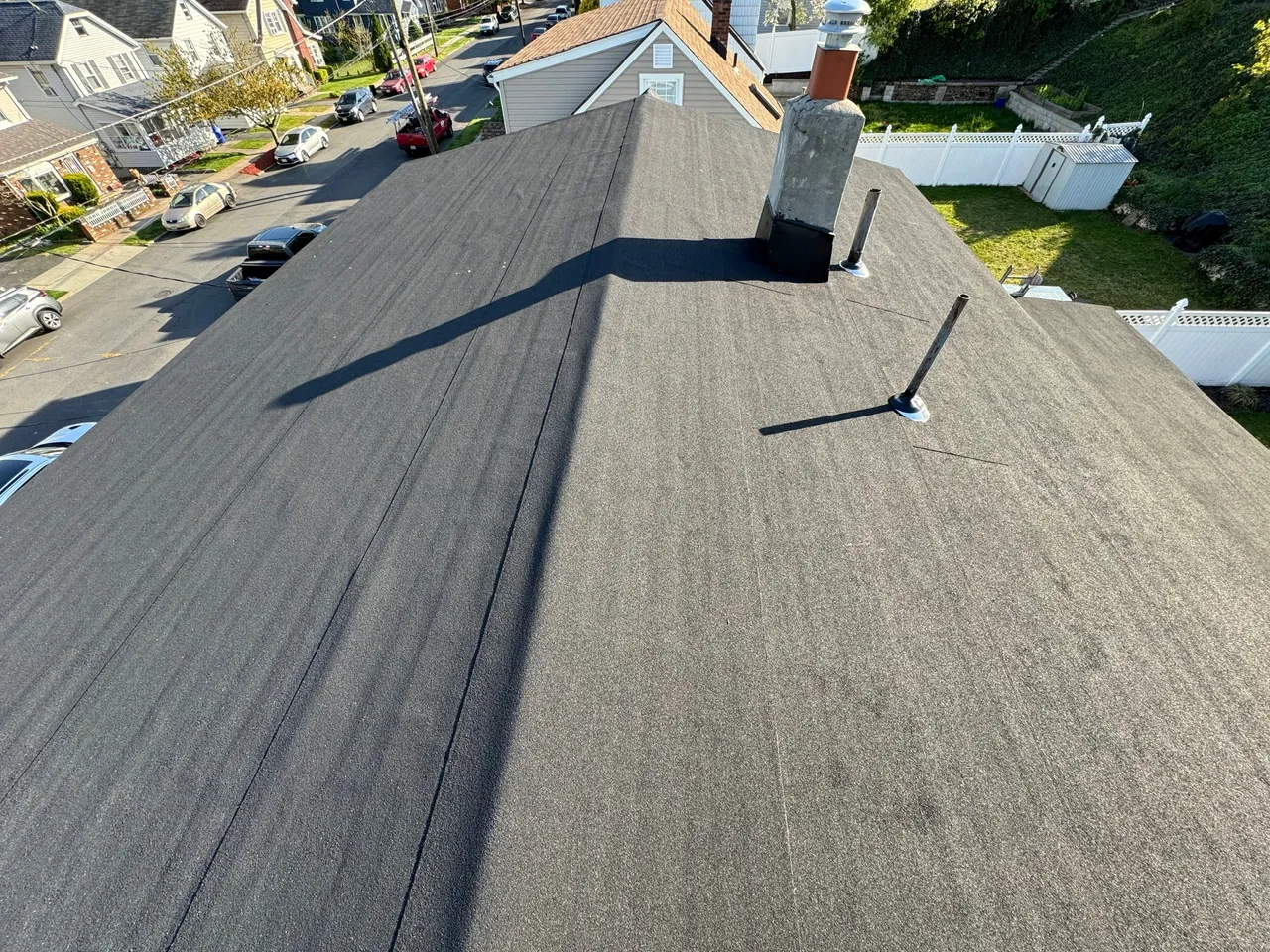
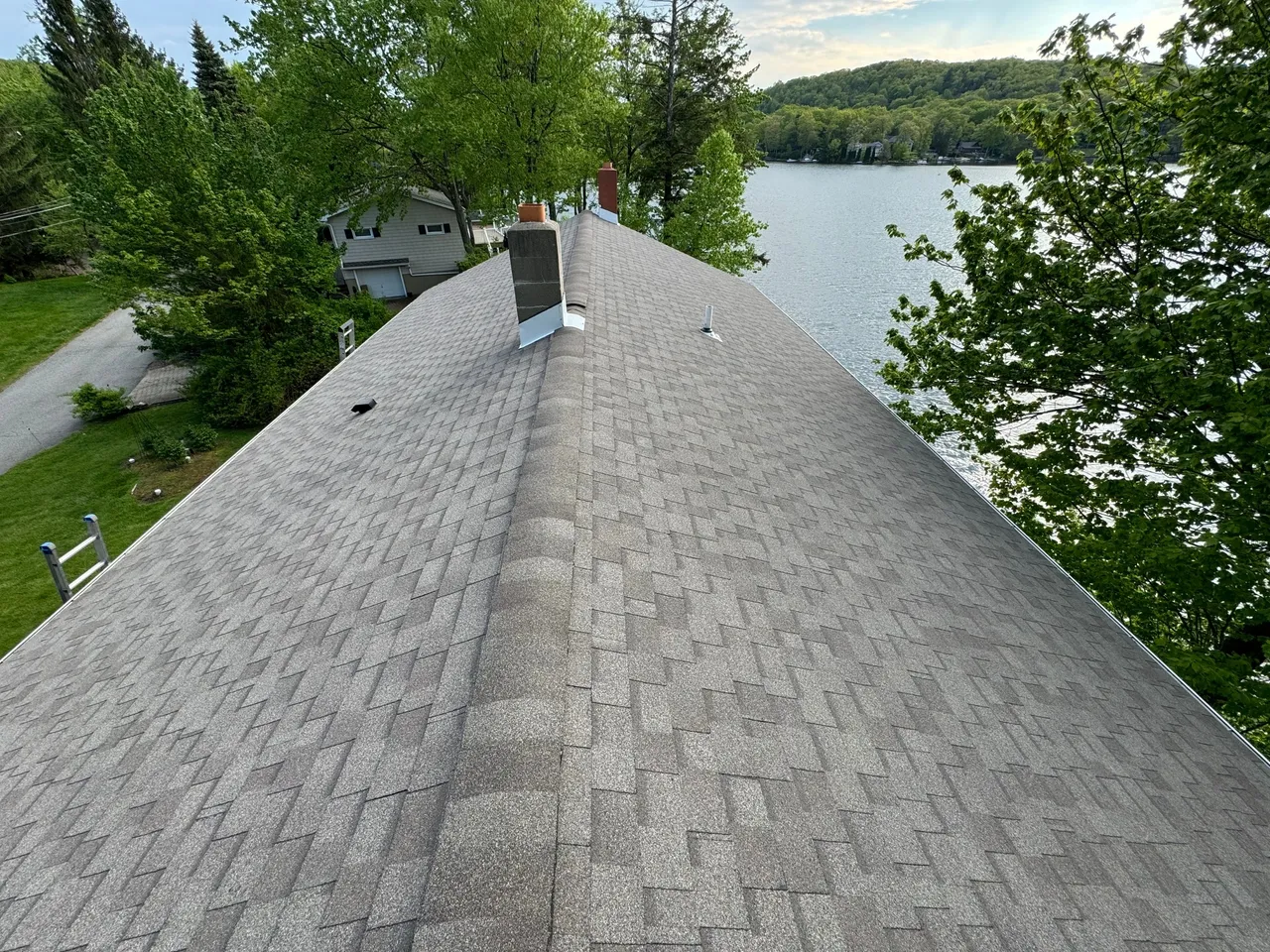
A new roof is easy to judge from the ground. Homeowners notice the shingle color, the clean ridge lines, and whether the house looks sharper than it did the week before. What they usually cannot see is the part that decides whether the roof performs well ten years from now or starts leaking after the first hard storm. That part is flashing.
In roof replacement work, flashing is where craftsmanship shows up. It is also where shortcuts hide. If you are planning a Roof Replacement Succasunna, NJ, this is one of the details worth understanding before the old roof comes off. Not because you need to become a roofer, but because the difference between a roof that lasts and one that becomes a recurring headache often comes down to the metal and membrane installed around joints, penetrations, walls, chimneys, valleys, and edges.
In Morris County, roofs take a beating. Winter ice, wind-driven rain, snow loads, spring downpours, summer heat, and leaf debris all test the weak points first. Shingles are the visible surface, but flashing protects the transitions. Water rarely leaks through the middle of a properly installed field of shingles. It finds the seam, the corner, the pipe, the skylight, the nail, the exposed cut edge. That is why flashing matters so much.
The places where roofs usually fail are not where most people expect
When homeowners hear "roof leak," many picture a missing shingle or storm damage in an open section of roof. Sometimes that happens. More often, the issue starts where two building elements meet. A roof is not a single flat skin. It is a system stitched together from many parts, and every change in direction creates a vulnerability.
Think about a chimney coming through the roof. That masonry stack expands and contracts differently than the roof deck around it. Mortar ages. Bricks absorb moisture. Snow can pile on the uphill side. If the flashing around the base is poorly designed or poorly installed, water will eventually work its way in. The same goes for skylights, plumbing vent boots, sidewalls where the roof meets siding, valleys where two roof planes meet, and the lower edges where runoff leaves the roofline.
I have seen roofs that looked almost new from the street, yet leaked around a dormer because someone relied too heavily on sealant instead of proper step flashing. I have seen chimney leaks blamed on the roof when the real problem was failed counterflashing embedded in old mortar joints. I have also seen buyers move into a home thinking they were protected by a "recent roof replacement," only to discover that the crew shingled over old flashing at several key transitions. Those repairs are almost always more expensive than doing it right during the replacement.
What flashing actually does
Flashing is usually made of metal, though modern roofing systems may also use specialized membranes in certain areas. Its job is simple in theory and unforgiving in practice. It redirects water away from joints and onto the roof surface or into the gutter system, where gravity can carry it safely off the house.
That sounds straightforward until you consider how water behaves on a roof in real conditions. Rain does not always fall straight down. Wind pushes it sideways. Ice dams can force meltwater uphill under shingles. Wet leaves hold moisture against seams. Snow sits for days, then melts slowly. Capillary action can pull water into tiny gaps. A well-flashed roof accounts for all of that. It assumes water will test every edge and creates layered protection so that one vulnerable spot does not turn into interior damage.
Good flashing is not decorative metal trim. It is part weather barrier, part drainage plan, part insurance against the realities of New Jersey weather.
Why flashing deserves extra attention in Succasunna
Succasunna homes vary quite a bit. Some neighborhoods have older colonials with chimneys, intersecting rooflines, and additions completed over decades. Others have ranch homes with simpler geometry but aging vent penetrations and gutter issues. Newer homes may have skylights, more complex valleys, or architectural features that look great but create more water-management points.
Local weather adds another layer. Freeze-thaw cycles are especially hard on roof details. Water gets into a small gap, temperatures drop, and that moisture expands. Over time, flashing can loosen, sealants can crack, and surrounding materials can shift. Add ice buildup at the eaves, backed-up gutters from fall leaves, or snow sitting behind a chimney, and the roof’s weak points become obvious.
That is why a Roof Replacement Succasunna, NJ should never be treated as a shingle-only project. The installer has to look at drainage patterns, attic ventilation, the condition of wood decking, the height of wall intersections, and the age of related components like chimney masonry or siding. Flashing sits at the center of all of those conversations.
The flashing areas that matter most
Some parts of a roof deserve especially close scrutiny because they fail so often when corners are cut.
- Chimneys and masonry transitions
- Roof-to-wall connections, including step flashing
- Valleys where roof planes meet
- Plumbing vents, furnace vents, and other penetrations
- Skylights, dormers, and low-slope transitions
Each of these areas asks the installer to blend materials with different shapes, movement, and water exposure. That is why generic approaches do not work well.
A chimney, for example, needs more than one piece of metal dropped around the base. Proper flashing here often includes apron flashing on the downslope side, step flashing along the sides, and saddle or cricket detailing on the upslope side for wider chimneys. Counterflashing then covers and protects the top edge. If any part of that assembly is skipped, tucked improperly, or over-reliant on caulk, leaks tend to follow.
Step flashing at sidewalls is another common problem area. It should be layered piece by piece with the shingles, not replaced by one long strip of metal in situations that call for individual steps. Long runs of wall flashing can look neat but often allow water to bypass the intended drainage path if movement or gaps develop. Piece-by-piece layering handles water more predictably.
Valleys deserve similar care. Some roofers install them beautifully. Others rush through them. In open valleys, metal placement and shingle cuts matter. In closed-cut valleys, alignment and underlayment matter just as much. Valleys carry concentrated volumes of water, so small errors become big leaks.
Why reusing old flashing is often a costly mistake
Homeowners are sometimes told that existing flashing can be "reused if it looks okay." There are situations where certain metals may appear serviceable, but in practice, reusing flashing during a full roof replacement is often a false economy.
First, old flashing has already gone through years of Roof Replacement Succasunna, NJ thermal movement, nail penetrations, and weather exposure. Even if it is not visibly corroded, it may be bent, fatigued, or improperly integrated with the old roofing layers. Second, once the shingles are removed, the crew has the best chance they will ever have to install new flashing correctly. Skipping that step to save a modest amount on materials or labor rarely makes sense. Third, older flashing details may not match the best practices or product requirements used with newer roofing systems.
There is also a practical issue that homeowners do not always hear about. Flashing can hide trouble. When old metal comes off, roofers may uncover rotted sheathing, old patchwork, tarred seams, or evidence of long-term leakage around a chimney or wall. That is useful information during replacement, when fixes can be made properly. Leaving old flashing in place can preserve hidden defects that show up later, after the job is "done."
Sealant is not a substitute for craftsmanship
One of the clearest warning signs on any roof is excessive dependence on roofing cement or caulk at key transitions. Sealants have a role. They can support a detail, protect a fastener in the right place, or provide a secondary measure where manufacturers allow it. But a roof should not depend on blobs of mastic to stay dry.
The reason is simple. Sealants age faster than properly lapped metal. They dry out, crack, pull away, or degrade under UV exposure. They can work for a while, sometimes longer than expected, and then fail suddenly during a wind-driven rain event. A detail built on layering, overlap, and drainage is far more durable than one built on sticky shortcuts.
When I inspect older roofs, the repairs that hold up best are usually the ones where someone rebuilt the flashing assembly. The repairs that fail first are the ones where a previous contractor smeared sealant around the symptoms without correcting the water path.
Ice dams make flashing even more important
In New Jersey winters, ice dams can turn an average flashing detail into a stress test. Warmth escaping from the house melts snow higher on the roof. That water runs down to the colder eaves, refreezes, and gradually forms a ridge of ice. Once that ridge develops, meltwater has nowhere to go. It backs up under shingles and starts probing seams.
This is where underlayment and flashing work together. Ice and water shield in vulnerable locations helps, but it cannot compensate for poor metal detailing around walls, chimneys, and penetrations. If water rises high enough and the flashing laps are wrong, the roof can still leak. Proper attic insulation and ventilation help reduce the conditions that create ice dams, but the roof assembly still has to be built with those winter conditions in mind.
In older homes around Succasunna, this combination shows up often. The house may have decent shingles, but attic bypasses, spotty insulation, and aging flashing create a weak chain. During replacement, a careful contractor will look beyond the roof surface and ask why the old roof failed where it did.
What good flashing installation looks like during a replacement
From the homeowner’s perspective, a quality installation tends to look slower and more methodical. That is not a bad thing. Good flashing work takes time because the crew is fitting, layering, fastening, and integrating each section into the roof system.
The process usually starts with tear-off and inspection. Once the old material is removed, damaged decking should be replaced and problem areas examined closely. If a chimney is involved, the roofer should assess not just the metal but the masonry itself. Flashing cannot solve crumbling brick or failing mortar joints by itself.
At sidewalls and dormers, step flashing should be woven correctly with each course of shingles. In valleys, the crew should prepare the underlayment carefully and execute the chosen valley style cleanly. Around penetrations, boots and flashing collars should fit the pipe sizes properly and be installed without overdriven nails or exposed vulnerable fasteners.
Drip edge at eaves and rakes is another detail that gets less attention than it deserves. It helps guide water into gutters and protects the roof edge from wind-driven infiltration. On some homes, improper edge detailing contributes to fascia rot and gutter issues that homeowners assume are unrelated to the roof.
None of this is glamorous, which is exactly why it is sometimes neglected. You are paying for weather control, not just curb appeal.
The contractor conversation that tells you a lot
Homeowners often ask what shingle brand is best. That matters, but the better question is how the contractor handles flashing, ventilation, and transitions. A premium shingle installed over weak details is still a vulnerable roof.
These are useful questions to ask before signing a contract:
- Will all flashing be replaced, or are there areas you plan to reuse?
- How do you handle chimney flashing, especially if the masonry needs attention?
- What type of underlayment goes in valleys, eaves, and other leak-prone areas?
- How do you integrate step flashing at roof-to-wall connections?
- If damaged decking or hidden water damage is found, how is that documented and priced?
The answers matter less for their polish than for their specificity. A contractor who says "we handle that as needed" without explaining methods may not be thinking deeply about the details. A contractor who can explain where step flashing goes, how counterflashing works, why certain transitions need membrane protection, and what conditions change the scope is usually showing real field experience.
Flashing problems often show up inside the house before they show on the roof
One reason flashing defects go overlooked is that the roof can appear fine from the yard. The warning signs often start indoors or at the margins. A small stain near a chimney chase, bubbling paint on an upstairs wall, damp insulation in the attic, or a musty smell after a storm can all point to transition leaks rather than broad roof failure.
Sometimes the leak path is deceptive. Water can enter near a dormer or chimney, travel along framing, and drip several feet away from the actual breach. That leads homeowners to patch the wrong spot. During replacement, a seasoned roofer tracks the assembly, not just the stain. They look for rusted nails, darkened decking, compressed insulation, and old patchwork that tells the story of where water has been moving.
This is another reason proper flashing deserves emphasis during a Roof Replacement Succasunna, NJ project. If the house has had intermittent leaks before, replacement is the moment to solve the source rather than merely refresh the visible roofing.
Material choice matters, but detailing matters more
Flashing can be made from several materials, including aluminum, galvanized steel, copper, and specialty products matched to specific roof systems. The right choice depends on budget, environment, adjacent materials, and expected service life. In some homes, especially where masonry and visible details matter, copper may be attractive and durable. In many standard residential applications, properly installed steel or aluminum components perform well.
But material choice alone will not save a bad detail. Even high-end metal fails if it is cut short, fastened in the wrong place, or integrated poorly with siding, underlayment, and shingles. On the other hand, a well-executed flashing assembly using appropriate standard materials often outperforms a more expensive assembly installed carelessly.
That is why homeowners should be cautious when a proposal emphasizes premium shingles and broad warranties but says little about flashing replacement. The roof system is only as dependable as its weakest transition.
A real-world trade-off homeowners face
There is a budget conversation here, and it is worth having honestly. Replacing flashing properly, rebuilding chimney details, repairing wall intersections, or addressing hidden deck damage can raise the job cost. It is tempting to reduce scope to keep the number comfortable. Sometimes homeowners are already stretching to replace the roof at all.
The trouble is that these are not cosmetic upgrades. They are structural weatherproofing details. If they are skipped, the savings can disappear quickly through leak repairs, drywall work, insulation replacement, mold remediation, or premature roof service calls. I have met homeowners who paid for a second contractor within two years because the first installation looked fine but failed where the roof met a wall or chimney.
A roof replacement is one of those jobs where value and lowest price often move in opposite directions. That does not mean the most expensive quote is automatically best. It means the scope should be detailed enough to show how critical transitions will be rebuilt and protected.
When related issues need to be fixed at the same time
Flashing sits at the intersection of several systems, so roof replacement sometimes exposes problems that belong partly to other trades. Chimney masonry may need repointing. Siding may need to be lifted or trimmed to allow proper step flashing. Gutters may be pitched wrong or undersized for a steep valley discharge. Bathroom fan ducts may be venting improperly into the attic. Ventilation may be inadequate, contributing to condensation and ice dam conditions.
This can frustrate homeowners because the project grows beyond "just a roof." Still, it is better to deal with those issues while access is available than to install a new roof over old defects and hope they stay quiet. Experienced contractors are usually the ones who bring up these awkward realities early. That honesty is valuable.
The homeowner’s smartest move
If you are comparing estimates for Roof Replacement Succasunna, NJ, look closely at how each proposal treats flashing. Ask where new metal is included, where membrane protection will go, and how special details like chimneys, skylights, and dormers are handled. If a quote is vague, ask for clarification in writing. A clean roofline after installation is nice, but the real measure is whether water has a clear, durable path off the house in every season.
Proper flashing is not a luxury feature. It is the difference between a roof that simply covers the house and a roof that truly protects it. Long after the shingle color stops feeling new, those hidden details are what keep ceilings dry, framing sound, insulation effective, and repair bills off your calendar.
That is why, when the conversation turns to roof replacement, flashing deserves more than a passing mention. It deserves careful design, patient installation, and a contractor who treats transitions as the heart of the job, not the edges of it.
Royalty Exteriors
151 NJ-10 Suite 103A, Succasunna, NJ 07876, United States
+1 973-333-7234
FAQ About Roof Replacement Succasunna, NJ
What are signs a roof needs replacing?
Widespread shingle deterioration, repeated leaks, or damaged decking can point to a larger problem. A roofer can inspect the roof covering, flashing, and deck to determine whether the damage is localized or whether replacement makes more sense.
How long does it take to reroof a 2000 square foot house?
Royalty Exteriors estimates one to three days for many single-family roof replacements. A house’s floor area does not tell you the actual roof area. Pitch, roof features, weather, and any decking repairs can change the schedule.
How long should a roof last in NJ?
There is no single lifespan for every roof. Material, installation quality, attic ventilation, maintenance, and exposure to storms all affect how long a roof remains serviceable. An inspection can help you assess its condition and plan for replacement.